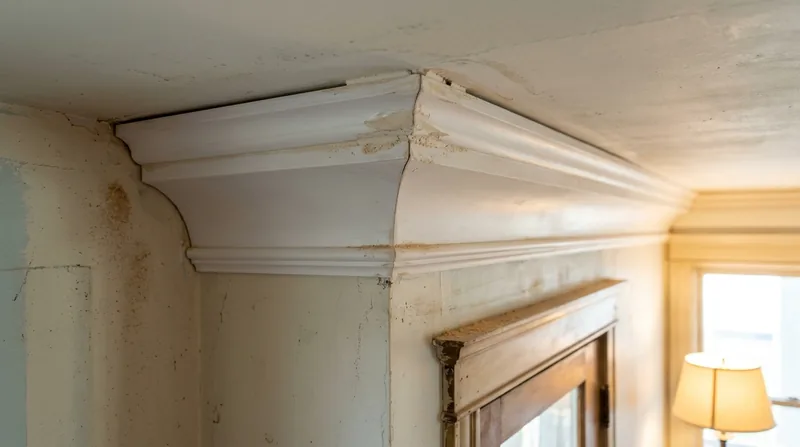




Crown molding and baseboard installation in Salem calls for precision, period-correct detailing, and an eye for the architectural character that defines neighborhoods from Court-Chemeketa's tall-windowed Victorians to the deep-eaved Craftsman bungalows of Grant and Highland. The climate here, eight months of steady rain, damp crawlspaces, and the occasional wet snow, means trim work faces real moisture challenges, and joints must be coped and sealed to stay tight. Whether you are refreshing a 1920s foursquare with new wainscoting, installing crown molding and baseboard installation to match existing profiles, or bringing clean modern lines to a mid-century ranch, the same carpenters who do your structural work handle the finish details. We measure twice, cut once, and deliver the coped joints and clean caulk lines that make a room feel complete.
Why Crown Molding and Baseboard Matter in Historic and Mid-Century Salem Homes
Trim work is not decoration after the fact. In Salem's older homes, crown molding and baseboard define room proportion, hide the joints where drywall meets walls and ceilings, and when properly coped and sealed, protect the top of the wall from dust and moisture infiltration. In Victorian and Craftsman homes, the original profiles are often still visible in adjacent rooms or in the attic, and matching them preserves the architectural integrity that makes these neighborhoods worth living in. In newer ranch and split-level homes, crisp baseboard and chair rail anchor the eye and add visual weight to a room. Poorly fitted trim, gaps at inside corners, or visible caulk lines broadcast amateur work and allow moisture to seep behind the boards, accelerating rot in the Douglas fir framing underneath.
- Coped inside corners stay tight as wood moves with seasonal humidity changes, unlike mitered joints that open and close.
- Scribing baseboard to uneven plaster or drywall makes the fit invisible and keeps water from pooling behind the board.
- Paint-grade caulk applied in a thin, smooth line hides joints while remaining flexible enough to move with the wood.
- Period-correct profiles on historic homes preserve character and resale value in Salem's protected districts.
These details are the difference between a room that looks finished and one that looks rushed.
Key info: Salem's Court-Chemeketa historic district and homes on Gaiety Hill near Bush's Pasture Park often have original 4- to 6-inch crown molding with egg-and-dart or dentil details. Matching or replicating these profiles requires a millwork source or a shop capable of milling custom runs. We work with local suppliers and can source period-appropriate trim stock or design clean modern alternatives that respect the home's era.
For more on protecting the structural wood behind your trim, see our guide to wood rot and dry rot repair in Salem.
How We Install Crown Molding and Baseboard: The Process from Measurement to Finish
Every trim job begins with a site visit and careful measurement. We photograph the existing profiles, note wall conditions, check for plumb and level, and identify any gaps or irregularities we will need to script around. We then source the material, cut all pieces in the shop where we have proper equipment and climate control, and install them on site with fasteners and adhesive that allow for wood movement. Inside corners are coped, outside corners are mitered and glued, and all joints are sealed with paintable caulk. The final finish (paint, stain, or clear coat) depends on the existing trim and the homeowner's preference.
- We measure the room, photograph existing profiles if matching is needed, and verify wall plumb and level before ordering material.
- Crown molding is cut at the chop saw in the shop and test-fitted before installation to ensure all corners close tight.
- Baseboard is scribed to fit uneven walls and floors, then fastened with finish nails into studs and blocking for solid, lasting installation.
- Coped joints at inside corners are cut freehand and sealed with caulk to remain tight as the wood expands and contracts seasonally.
- We apply paintable caulk in all joints, sand smooth once dry, and prepare the surface for your finish painter or our own topcoat.
A typical bedroom or living room takes two to three days from start to finish, including measurement, material prep, installation, and caulk.
Example: A 1940s ranch home in Englewood with 3.5-inch ranch-style baseboard and no crown molding received new paint-grade baseboard and a simple 2.5-inch crown molding throughout the main floor. We measured and cut all pieces in the shop, installed over two days, caulked all joints, and left the homeowner with a surface ready for paint. Total time on site was 16 hours. Cost reflected the straightforward profile, good wall conditions, and efficient shop prep.
For custom trim details or built-in shelving that pairs with your new baseboard and crown, see our custom built-ins and shelving page.
Crown Molding and Baseboard Installation Methods: Profiles, Materials, and Techniques
| Method | Description | Best For |
|---|---|---|
| Coped Joint Installation | Inside corners are cut with a coping saw to fit the profile of the adjoining piece, sealed with paintable caulk, and fastened into studs. | All interior crown and baseboard; remains tight as wood moves with humidity and temperature swings. |
| Mitered and Glued Corners | Outside corners are cut at 45 degrees, glued with polyurethane or wood glue, and fastened with finish nails for a seamless appearance. | Outside corners and transition points; produces a clean, professional look when done with precision. |
| Scribing to Uneven Walls | Baseboard is cut with a profile gauge or coping saw to fit the contour of an out-of-plumb wall or uneven plaster, ensuring a tight, invisible fit. | Older Salem homes with settled foundations and wavy plaster; makes trim sit flush to the wall even where walls are not square. |
| Paint-Grade vs. Stain-Grade Finish | Paint-grade trim is primed, caulked, and painted for a uniform finish; stain-grade is sanded and sealed to show wood grain and color. | Paint-grade for most homes; stain-grade for Craftsman and period homes where natural wood finish is original or desired. |
| Profile Matching and Milling | Existing profiles are photographed and measured, then sourced from stock or milled to order to match original trim in historic homes. | Victorian, Italianate, and Craftsman homes where preserving original architectural character is a priority. |
Crown Molding and Baseboard Installation Cost in Salem: What to Expect
Crown molding and baseboard installation in Salem starts at around $450 for a single room and scales with the square footage, profile complexity, and wall conditions. A simple paint-grade baseboard and crown in a 12-by-14 bedroom with plumb walls and good access typically runs $600 to $900. A full main floor in a larger home, or work that includes scribing to uneven walls, period-correct profiling, or multiple colors, runs $2,000 to $5,000 or more. What moves the price is straightforward: profile complexity (simple ranch molding is cheaper than dentil crown), wall condition (plumb and level is faster than scribing), material type (paint-grade poplar or pine is less than stain-grade oak or cherry), and the finish (we can prime and paint or leave it ready for your painter).
A free estimate includes a site visit, measurement, and a walkthrough of options. We photograph existing trim, note any wall issues, and send you a line-item quote within 24 hours. Getting two or three estimates is smart; it ensures you understand what you are paying for and helps you avoid low bids that cut corners on caulk, fasteners, or joint technique.
See our full pricing overview for additional detail and examples from other carpentry services.
Crown Molding and Baseboard Installation Near Me: What to Look for When Hiring a Carpenter in Salem
Hiring a carpenter for trim work is different from hiring a general handyman. You want someone who understands wood movement, knows how to cope a joint, and can explain why a scribed fit matters. Ask prospective contractors for references from recent trim projects, not just a list of names. Request photos of inside corners, caulked joints, and finished rooms. A good carpenter will happily show you past work and explain their process. Ask whether they source material in advance and cut in the shop or cut on site; shop cutting is more precise and protects material from weather. Confirm they are fully insured and can provide a certificate of insurance before starting work.
- Ask how many trim jobs the contractor has completed in the past two years and request contact information for at least three recent clients.
- Verify that the carpenter understands the difference between coped and mitered joints and can explain why coping is preferred for inside corners.
- Request a written estimate that breaks down material, labor, and finish, and specifies the profile, fastening method, and caulk type.
- Confirm that the contractor is fully insured and can provide proof of coverage before work begins.
- Clarify whether your homeowners association (if applicable) has rules about trim style, color, or material that must be followed before ordering.
If your home is in a historic district or a protected neighborhood in Salem, check with the local planning or historic preservation office about any guidelines for trim replacement or new installation. Some districts require approval before work begins. A knowledgeable local carpenter will be familiar with these requirements and can guide you through the process.
Ready to get started? Contact us for a free estimate at (971) 273-5364. We respond within 24 hours and can often schedule a site visit within the same week.
Crown Molding & Baseboard Installation in Salem: Pricing Guide
| Service | Price | Details |
|---|---|---|
| Single room (bedroom, small living area) | Starting at $600 | Paint-grade baseboard and crown with simple profile, plumb walls, straightforward layout |
| Main floor or large multi-room project | Starting at $2,000 | Multiple rooms, higher profile complexity, stain-grade material, or scribing to uneven walls |
| Historic or period-profile matching | On estimate | Requires site measurement, profile documentation, and sourcing custom or milled material before pricing |
| Finish work (paint or stain prep) | Included or separate | We can prime and paint, or prepare surface for your own painter, depending on your preference |
| Travel and site visit | Included | No mileage fee or travel charge for Salem and surrounding service areas within Willamette Valley |
| Free estimate | No cost | Site visit, measurement, photos, and written quote within 24 hours, no obligation to book |
Indicative pricing, the exact cost depends on square footage, finish, and site access. Free personalized estimate within 24h at (971) 273-5364.


