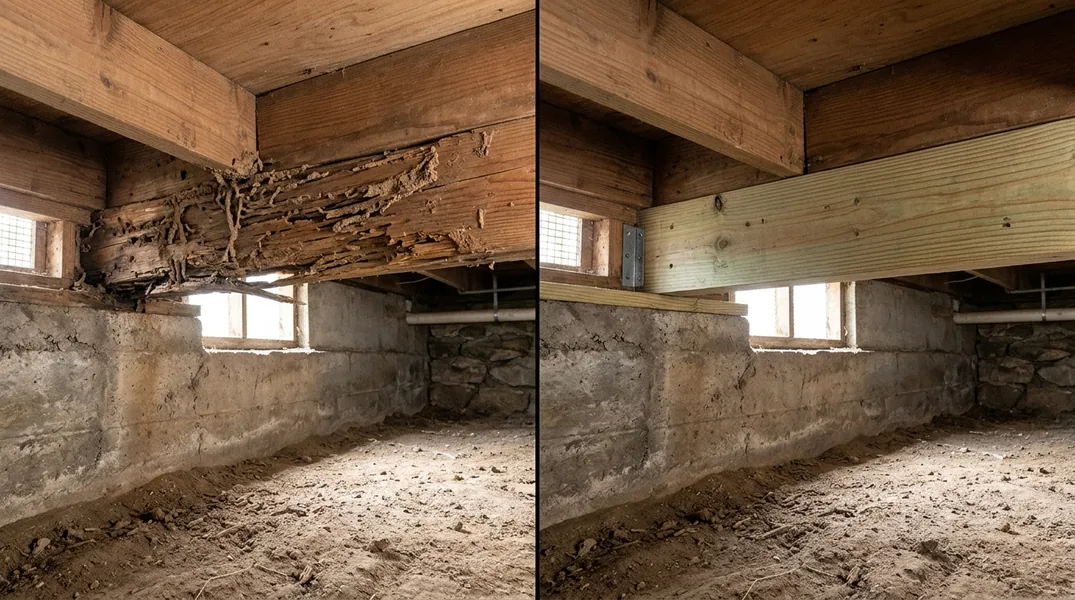
Why Salem Homeowners Need to Know the Difference
If you own a home in Salem, you've likely heard warnings about wood-destroying pests and fungi. But here's the thing: not all wood damage looks the same, and misidentifying the culprit can delay treatment and make the problem worse. Dry rot, carpenter ants, and dampwood termites are three common threats to Oregon homes, and each requires a different approach to fix.
The good news is that once you know what to look for, you can spot trouble early. Early detection means smaller repair costs, less structural damage, and faster peace of mind. Whether you're dealing with Wood Rot & Dry Rot Repair needs or pest-related damage, understanding the signs will help you take action before the problem spreads through your home's framing and foundation.
Dry Rot: The Silent Fungal Threat
Dry rot is caused by a fungus that thrives in damp, poorly ventilated wood. Despite its name, dry rot doesn't actually require wood to be dry. It needs moisture content between 20 and 60 percent to grow, making Oregon's humid climate an ideal breeding ground. The fungus breaks down the cellulose in wood, leaving it brittle and crumbly. In Salem homes, dry rot often starts in crawl spaces, attics, or areas with poor drainage.
The signs of dry rot are distinctive. Look for wood that appears shrunken, darkened, or covered in a white or gray cotton-like mycelium. Affected wood will crumble easily when you press it with a screwdriver or knife. You might also notice a musty smell, which indicates active fungal growth. Unlike termite damage, which creates galleries and tunnels, dry rot simply weakens the wood from within, eventually causing it to collapse. If you suspect dry rot in your home, don't wait. Contact Salem Carpentry at (971) 273-5364 to schedule a free estimate and prevent further deterioration.
Carpenter Ants: Wood Damage Without Eating the Wood
Carpenter ants are large black or reddish ants that excavate galleries in wood to create nesting spaces. Unlike termites, carpenter ants don't eat wood for nutrition. They simply hollow it out to build their colonies. This distinction matters because carpenter ant damage tends to be more localized around their nest sites, whereas termite damage spreads more extensively. Carpenter ants prefer softened or partially decayed wood, so they often target areas already compromised by moisture or dry rot.
To identify carpenter ant damage, look for smooth, clean tunnels inside the wood with no mud or debris lining the galleries. You may also see sawdust-like frass (ant droppings) around exit holes. Carpenter ants are nocturnal, so you might hear rustling sounds inside walls at night. Unlike termites, you may actually spot the ants themselves, especially during swarming season in spring and early summer. Carpenter ant colonies can grow large and cause significant structural damage over time, so professional inspection and treatment are essential for protecting your home's integrity.
Dampwood Termites: Oregon's Most Destructive Pest
Salem and the surrounding Willamette Valley are home to dampwood termites, a species that causes more extensive damage than subterranean termites. Dampwood termites in Oregon thrive in the region's moist climate and can infest wood with moisture content as low as 15 percent. These termites are larger than their subterranean cousins and work quickly to consume wood from the inside out. They don't require contact with soil to survive, which makes them particularly dangerous in homes with crawl spaces and exposed wooden structures.
The damage pattern from dampwood termites is distinctive. They create galleries filled with fecal pellets, giving the tunnels a grainy, packed appearance. You might notice small, sand-like droppings near infested wood or around windows and doors. Unlike dry rot, which is a fungal disease, dampwood termite damage is active predation. The wood loses structural integrity rapidly as the termites consume it. Swarmers (winged reproductive termites) may appear indoors during mating season, which is another telltale sign. If you suspect Termite Damage Repair is needed, professional assessment is critical because the colony may extend deeper into your home than visible damage suggests.
How to Perform a Visual Inspection at Home
Before calling in a professional, you can do a basic inspection to gather clues about what's damaging your wood. Start in the most vulnerable areas: crawl spaces, basements, attics, and around windows and doors where moisture accumulates. Bring a flashlight, a flathead screwdriver, and a magnifying glass. Gently press the screwdriver into suspect wood. If it sinks easily or the wood crumbles, you have active decay or pest damage. Pay attention to the appearance of the damage and any debris around it.
Take photos of anything suspicious and note the location. Look for visible insects, wings, or droppings. Check for mud tubes (a sign of subterranean termites) running along foundation walls or wooden supports. Listen for sounds, especially at night when carpenter ants and termites are most active. However, a visual inspection is not a replacement for professional diagnosis. Many types of damage can look similar to an untrained eye, and infestations often extend beyond what's visible. If you find anything concerning, contact Salem Carpentry for a thorough evaluation and expert guidance on next steps.
When to Call a Professional for Wood Damage Repair Near Me
If you've identified potential dry rot, carpenter ant damage, or termite damage in your home, professional help is essential. Salem Carpentry specializes in diagnosing wood damage and providing comprehensive repairs. A trained carpenter can distinguish between the three types of damage based on appearance, location, and damage patterns. They can also assess the extent of structural compromise and recommend the best repair strategy.
Depending on the diagnosis, repairs might include Floor Joist & Subfloor Repair, replacement of damaged beams, or Beam Replacement & Load-Bearing Wall Removal in severe cases. The pricing varies based on the scope of damage and the repairs needed. Don't delay seeking professional help. Wood damage worsens over time, and structural problems can pose safety risks to your family. Call Salem Carpentry at (971) 273-5364 today to schedule your inspection and get your home back on solid ground.
Looking for a professional carpentry contractor in Salem? Salem Carpentry responds fast for all your carpentry needs.
Get a Free QuoteOur services: Wood Rot & Dry Rot Repair · Termite Damage Repair · Floor Joist & Subfloor Repair